
Navigating the Future of IT: Analyst Insights for 2026 and Beyond
- November 27, 2025
- Author - Team XALT
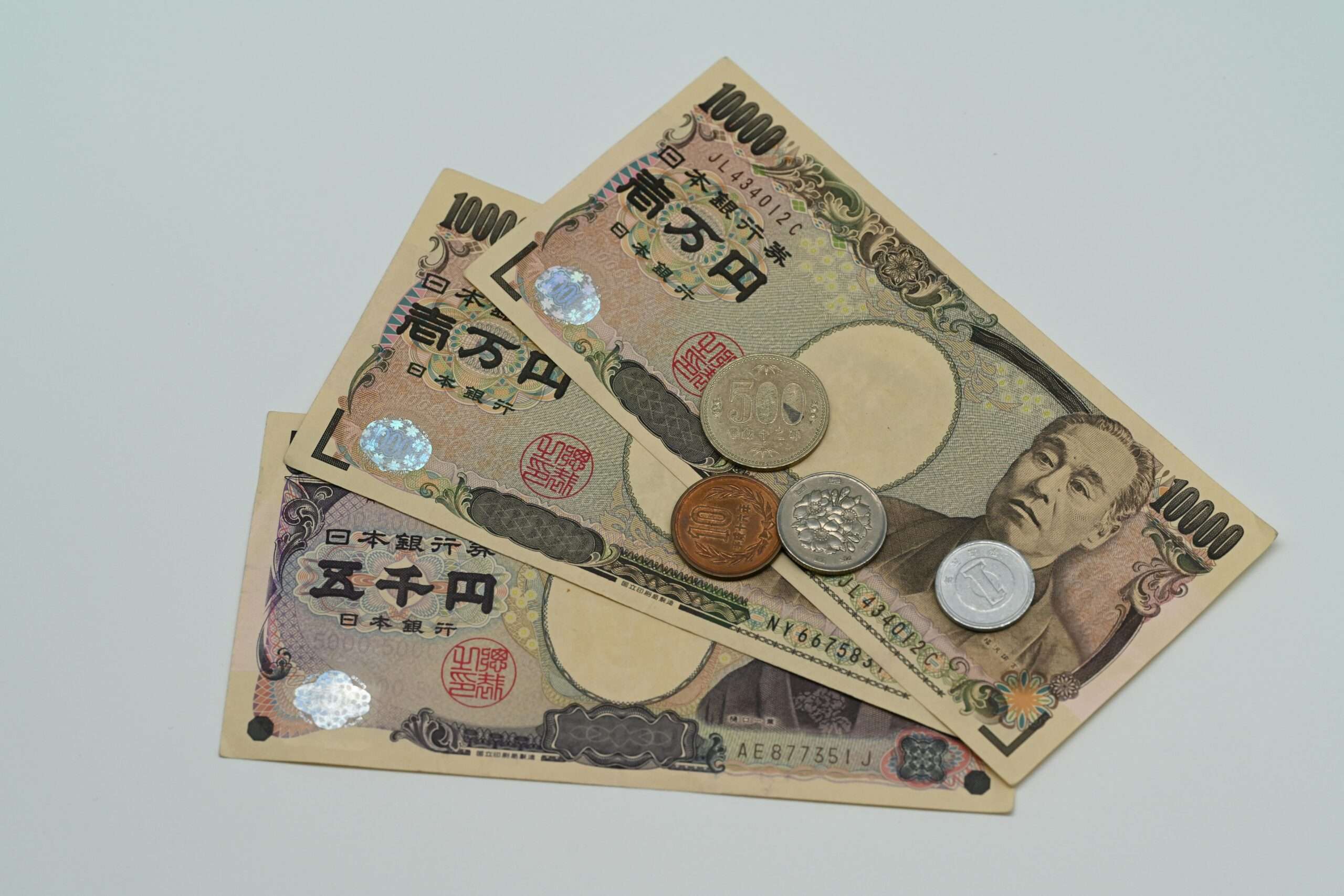
The financial world is currently witnessing a tectonic shift emanating from an unlikely source: Japan. After decades of ultra-loose monetary policy and near-zero interest rates, Japanese government bond (JGB) yields have surged to multi-decade highs, sending ripples across global financial markets. This significant pivot by the Bank of Japan (BOJ) is not merely a domestic adjustment; it marks a profound change with far-reaching implications, particularly for global liquidity and emerging economies.
For years, Japan stood as an anomaly among major economies, battling deflation with aggressive monetary easing. A cornerstone of this strategy was the Bank of Japan’s yield curve control (YCC) program, which aimed to pin long-term interest rates near zero. However, persistent inflation pressures finally prompted the BOJ to reconsider its stance.
The journey towards policy normalization has been incremental but impactful. The BOJ officially ended its negative interest rate policy in March 2024, marking the first rate hike in 17 years. Concurrently, it moved away from its strict YCC framework, effectively allowing bond yields greater flexibility. This shift has rapidly pushed JGB yields higher. The 10-year JGB yield recently climbed to 1.91% as of December 4, 2025, reaching its highest level since June 2008. Longer-duration bonds have seen even more dramatic movements, with the 20-year yield touching a 26-year high of around 2.905% and the 30-year yield hitting an unprecedented 3.41%. BOJ Governor Kazuo Ueda’s recent statements, signaling that policymakers would “weigh the pros and cons” of a potential December 2025 rate hike, further underscore the central bank’s commitment to policy tightening, with analysts from Morgan Stanley MUFG Securities considering a December hike as their base case.
The rise in Japanese yields is directly triggering the unwinding of one of the most persistent and influential global financial strategies: the yen carry trade. For three decades, investors have leveraged Japan’s near-zero interest rates to borrow vast sums of yen, converting this cheap capital into other currencies, and investing in higher-yielding assets worldwide, including U.S. equities, emerging market securities, and even cryptocurrencies. This estimated $14 trillion trade effectively subsidized global risk-taking and channeled Japanese savings across the globe.
However, as Japanese rates rise and the yen strengthens, the economics of this trade are reversing. It becomes significantly more expensive for investors to service and repay their yen-denominated loans, forcing them to unwind their positions. This unwinding process involves selling off global assets to convert funds back into yen for repayment, leading to a substantial reduction in global liquidity. The repercussions are already being felt, with reports indicating sell-offs in U.S. Treasuries, equities, and even the crypto market.
The tightening of global liquidity due to the yen carry trade unwinding presents a tangible challenge for emerging markets. As Japanese investors repatriate funds, there is a “risk-off” sentiment that can lead to capital outflows from these economies.
For India, this scenario implies potential pressure on Foreign Portfolio Investment (FPI) flows. Capital outflows could lead to Indian Rupee (INR) weakness, adding to currency volatility. However, India possesses certain mitigating factors. According to a report highlighted in Mint, foreign investors hold less than 5% of India’s outstanding debt, providing a natural cushion against global volatility. Furthermore, robust domestic demand from Indian banks, pension funds, and insurers has been instrumental in helping to keep Indian bond yields relatively stable amidst these global shifts.
The ongoing normalization of Japan’s monetary policy represents a landmark event in global finance. While the unwinding of the yen carry trade injects uncertainty and reduces global liquidity, its long-term impact could reshape capital flows and asset valuations worldwide. Investors will need to keenly monitor the pace of the BOJ’s policy adjustments, global inflation trends, and the corresponding reactions in currency and bond markets. The era of Japan as the “world’s cheap money machine” is drawing to a close, and adapting to this new landscape will be crucial for navigating the evolving global financial order.