Farewell to the Oracle
- December 31, 2025
- Author - Niraj Shah

I call 2025 a moment, and not a period. For when one looks back at this century, 2025 could well be the most defining year. More than 2020, the COVID year! And in a century, a year can well be a moment. It may not be wrong to call it a Trump year, too, for the US President has singlehandedly changed the way countries around the world will do business and build relationships with one another. Aptly put by India’s External Affairs Minister S Jaishankar, when he said that this is the era where countries are choosing partners based on political ideology and not based on economic interests. This is amplified by Donald Trump washing away 25 years of carefully crafted equations between India and the US, making India one of the two highest-tariffed nations by the US across the world. The Donald Trump Presidency is arguably a defining moment for the future of economic interests and business decisions.
Arguably, 2025 has been a year of contrasts. While Russia dominated the conflict news ahead of 2025, Donald Trump’s Presidency is replete with contrasting decisions and has assumed top draw in news-making. If Deepseek started 2025 as the key newsmaker, the Australian Government’s ban on social media for a particular age cohort made waves towards the end. If the Fed decisions and Trump’s attacks on Jerome Powell were key talking points for the better part of the year, the Bank of Japan’s decision took over as the most talked-about Central Bank decision as the year drew to a close. In many ways, the year was full of contrasts at play.
The word of the year is ‘Tariff’. Donald Trump started flashing his presence at the World Economic Forum Conference in Davos in January, even as Deepseek made more headlines, because of the unexpected advances by a Chinese tech company. Yes, the Gaza ceasefires were also making headlines, but Deepseek was the buzzword. This was followed by the Union Budget in India, which gave a huge tax impetus and moved towards Consumerism from Capex, a marked shift. The other big headline of the month was the way Volodymyr Zelenskyy, the President of Ukraine, was treated in the Oval Office, even as the whole ‘event’ was witnessed by the world on camera.
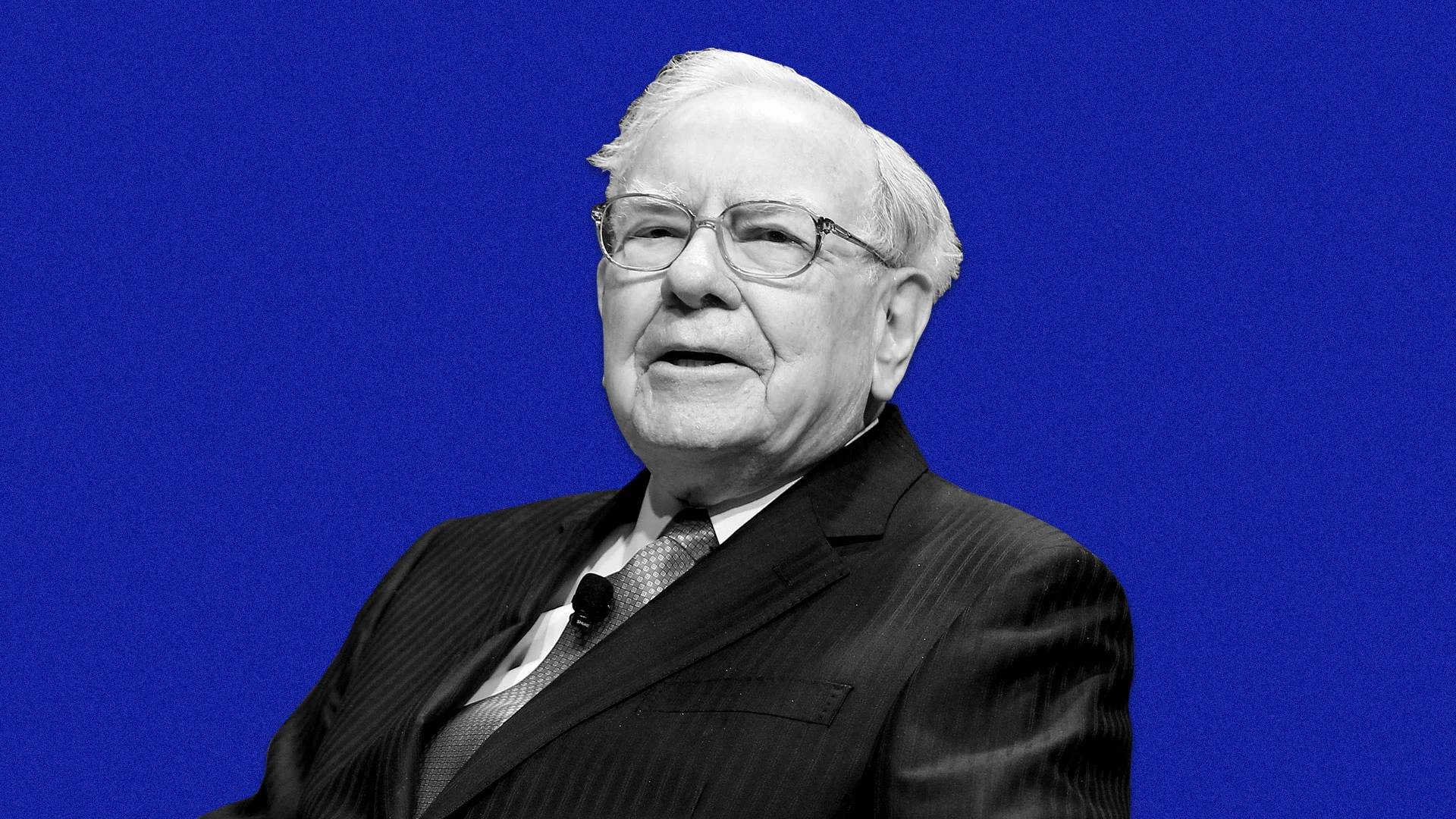
While March saw a China stimulus and record-breaking sales by BYD, nothing was more defining than the April 2 ‘Liberation Day’ tariff announcements in that period. That has changed the course of the world. In the West, Warren Buffett announced during the Berkshire Hathaway AGM in May that he would not be attending another once again, and on the East side, a conflict brewed between India and Pakistan. For the world, the tariff announcements remained the big headlines for that part of the year. Even as the bromance between Trump and Elon Musk ended, even as China flashed the rare earth card, even as Israel and Iran conflict came into the open and even as Ed Sheeran released the captivating song Sapphire, tariffs held their ground as the key headlines. From an India perspective, the prowess of the Indian armed forces in May and the aggression of the Central Bank in June got noticed. It gave a shot in the arm to India Bulls, both politically and economically.
Inflation in India cratered, even as the earnings reportage for the April-June quarter, reported in July, was ho-hum. We also saw the India pivot by Trump, when he brought on the 50% tariffs on India, a move that had surprised one and all. India, on its part, has played the situation in the most diplomatic fashion, and in August itself, in order to counter any pessimism due to the trade deal not getting sealed, announced landmark GST changes — a move that will likely be the reason for the uptick in consumer confidence for the rest of FY26 and for a better part of FY27 as well. There were personal landmarks here too, with Zakir Khan, the Indian stand-up comedian, becoming the first Indian to perform a Hindi Comedy Show at the iconic Madison Square Garden.
September saw the apparent thawing of the relationship between India and China, even as the unthinkable happened. Indians decided to boycott the India-Pakistan cricket match in a show of solidarity with the nation’s armed forces. It also saw the start of the consumption boom from September 22, as the GST cuts came in. Maybe that is what led to slightly better than expected earnings, or atleast the good commentary from India Inc for the second half. Arguably, one of the finest moments of the calendar was a sporting one. If the T20 World Cup win and D Gukesh winning the World Chess Championship were the sporting highlights of 2024, the Indian women’s cricket team winning the world cup in November was a key highlight in 2025, bringing the whole country together in the celebrations. The year ended with Dhurandhar for the entertainment world, with even Laalo, a Gujarati devotional drama film, raking in over a 100-crore bounty at the box office on a production cost of a mere 50 lakh rupees. The good fortune was a stark contrast to what the year has been for Indian movies and Indian cinema chains.
As the Christmas and New Year season sets in, everyone would be hoping that 2026 comes as a stark contrast to 2025 with more certainty in policy, more flows, more predictable business and more returns for investors. I, for my part, am travelling a bit and reading a book on how Korean pop is conquering the world. May you find your means of a soothing year-end. And may it be a beautiful 2026! For once, we don’t want any contrasts!